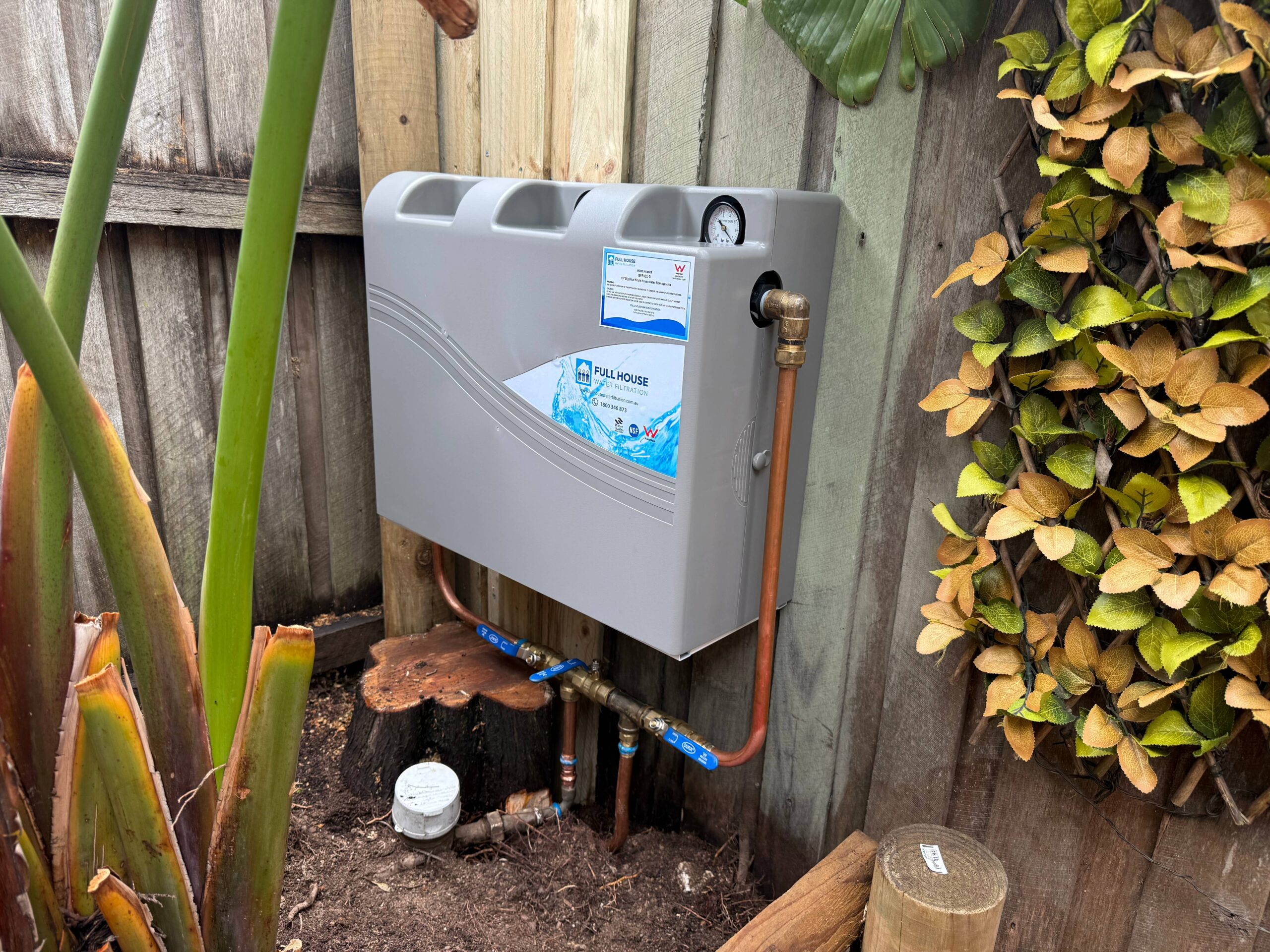
For many properties across the outskirts of Sydney, the Hawkesbury region, and rural New South Wales, tapping into groundwater is a practical and cost-effective way to maintain a lush garden or supplement a household supply. However, while the earth acts as a natural sieve, it is a common misconception that water pulled directly from the ground is “pure.”
In reality, groundwater is susceptible to a complex cocktail of contaminants ranging from heavy metals and high salinity to bacterial runoff. Understanding why bore water filtration is essential is the first step in protecting your family’s health, your expensive plumbing, and your landscape.
In this guide, we cover the science of groundwater, the common contaminants found in Australian bores, and how a professional bore water treatment plan can turn a risky resource into a safe, reliable water supply.
The Reality of Groundwater in Australia
Groundwater is water stored within an aquifer, specifically the porous layers of rock and soil underground that act as a natural reservoir. As rain falls and soaks into the earth, it undergoes a journey that can take years. While this process filters out large debris, the water also dissolves minerals and picks up pollutants along the way.
Without a dedicated bore water filtration system, you are essentially inviting the geological history of your local area directly into your home. In Sydney’s outer suburbs, the composition of this water can change rapidly based on seasonal rainfall, nearby agricultural activity, and industrial land use. This variability is exactly why a “one size fits all” approach to bore water purification simply doesn’t work.
Common Contaminants Found in Bore Water
To understand the importance of groundwater filtration, we must look at what exactly we are trying to remove. Bore water issues generally fall into three categories: Physical, Chemical, and Biological.
1. Iron and Manganese
If you’ve noticed orange or black staining on your fences, driveways, or laundry, you are likely dealing with high iron and manganese levels. In its raw form, iron is often dissolved and invisible, but as soon as it hits the air (at the sprinkler or tap), it oxidises and turns into a staining nuisance.
2. High Salinity and Hardness
Many bores in the Sydney basin suffer from high salt content. High salinity can “burn” sensitive plants and ruin the structure of your soil over time. Similarly, “hard” water (high calcium and magnesium) leads to limescale buildup inside your pipes, hot water systems, and dishwashers, causing them to fail prematurely.
3. Bacterial Contamination
Bores are not sealed environments. Runoff from septic tanks, livestock, or heavy rain can introduce E. coli and other pathogens into the aquifer. Without a dedicated treatment stage such as
UV sterilisation, using this water for showering or drinking poses a genuine health risk.
Why a Bore Water Filtration System Is Non-Negotiable
If you are using your bore for more than just a quick lawn watering, a bore water filter is your primary line of defence. Here is why filtration is essential for safe water use:
Protecting Your Health
Heavy metals like arsenic and lead, as well as nitrates, are frequently found in Australian groundwater. These substances are odourless and tasteless but can lead to long-term health complications if ingested or absorbed through the skin. Professional bore water treatment ensures these invisible threats are neutralised before the water reaches your tap.
Preserving Your Home’s Infrastructure
Raw bore water is often corrosive or scale-forming. Within just a few months, untreated groundwater can:
- Clog your irrigation nozzles.
- Corrode copper pipes, leading to pinhole leaks.
- Destroy the heating elements in your hot water service.
- Stain your bathroom fixtures with permanent rust marks.
A high-quality bore water cleaning system acts as a guardian for your home’s most expensive assets, paying for itself by preventing premature appliance replacements and plumbing emergencies.
The Components of a Professional Bore Water Treatment Plan
Effective bore water purification is usually a multi-stage process. Depending on your specific water test results, a system may include:
- Aeration and Oxidation: To turn dissolved iron into a solid that can be captured.
- Media Filtration: Using specialised sands or glass to catch physical sediment and oxidised metals.
- Water Softening: Using ion exchange to remove the “hardness” minerals that cause scale.
- Reverse Osmosis: For bores with high salinity, a bore water filtration RO system is the only way to effectively remove dissolved salts.
- UV Sterilisation: The final stage that uses ultraviolet light to kill 99.9% of bacteria and viruses without adding chemicals to the water.
How to Get Started: The Importance of Water Testing
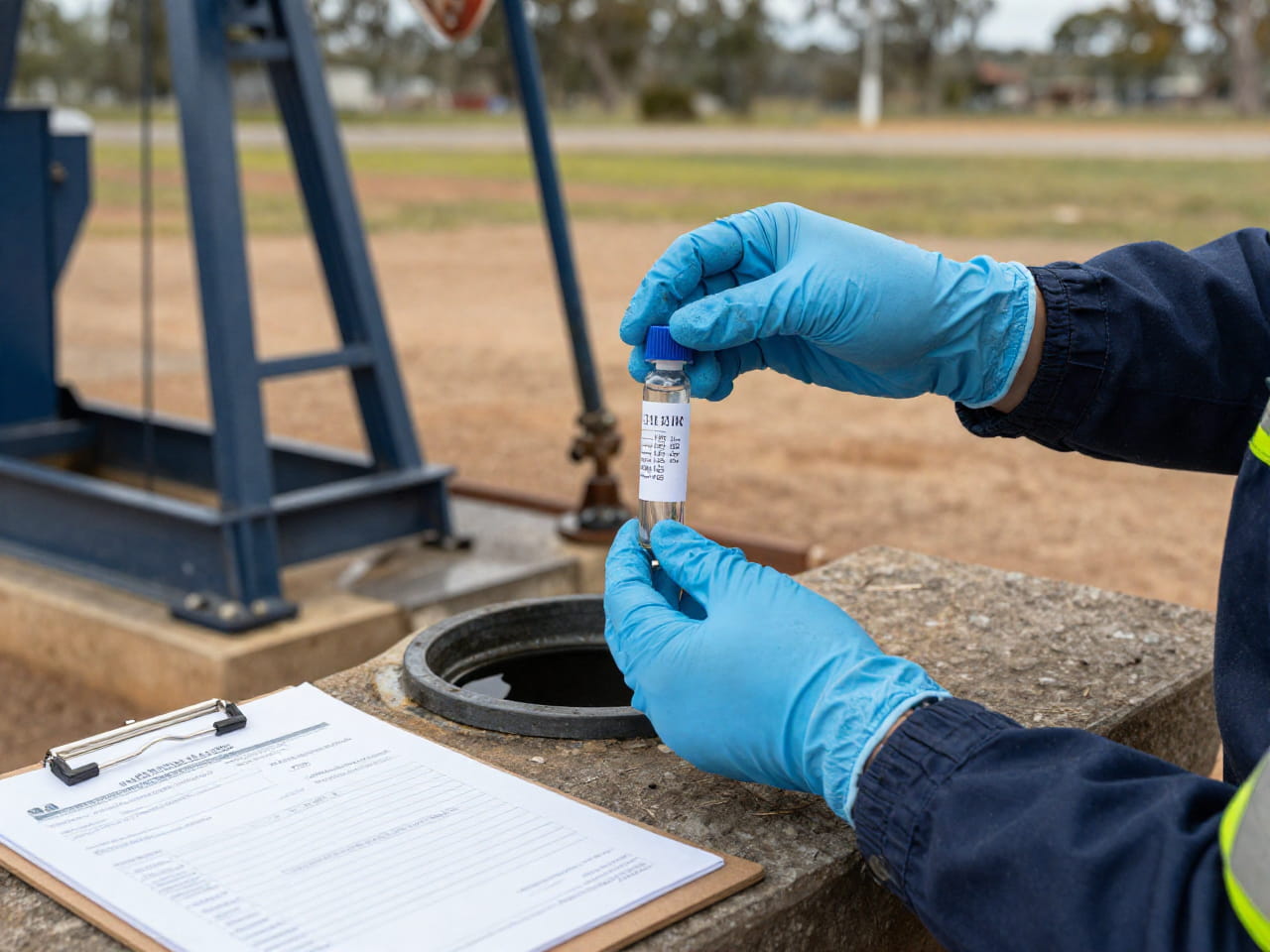
You cannot treat what you haven’t measured. The first step in any bore water filtration project should always be a comprehensive laboratory water test.
At Full House Water Filtration, we analyse your water for pH, hardness, iron, salinity, and bacterial load. This data allows us to design a bore water filter configuration that is perfectly matched to your property’s needs. Guessing at your filtration needs can lead to fouled membranes, wasted money, and water that remains unsafe for use.
Summary of Bore Water Issues and Solutions
| Symptom |
Cause |
Solution |
| Orange/Brown Stains |
High Iron Content |
Iron Removal Filter / Oxidation |
| White Crusty Buildup |
Hard Water (Calcium) |
Water Softener / Ion Exchange |
| Rotten Egg Smell |
Hydrogen Sulphide Gas |
Carbon Filtration / Aeration |
| Salty Taste / Dying Plants |
High Salinity |
Reverse Osmosis System |
| Gurgling/Low Pressure |
Sediment/Silt |
Multimedia Bore Water Filter |
The Long-Term Value of Groundwater Filtration
Investing in a
bore water treatment system is about more than just “clean water.” It is about water independence and long-term sustainability. With the right groundwater filtration setup, you can reduce your reliance on expensive mains water, maintain a beautiful landscape regardless of water restrictions, and have the peace of mind that your family is protected from environmental contaminants.
In Sydney, as our climate becomes more unpredictable, having a safe, reliable bore is a massive value-add to any property. However, that value only exists when bore water filtration is handled properly by someone who understands your local aquifer conditions.
Frequently Asked Questions