

If you’ve ever tested your tap water or looked into installing a filtration system, you’ve probably come across the question, what is TDS in water. It’s something many Sydney homeowners think about when it comes to water quality, taste, and long-term health.
TDS stands for Total Dissolved Solids. It refers to the combined amount of dissolved substances present in water, including minerals, salts, metals, and organic matter. While some dissolved minerals are completely natural and even beneficial, elevated levels can affect taste, appliance lifespan, and overall water performance in your home.
Knowing what TDS means and which levels are considered safe helps you make informed decisions about the right filtration solution for your home.
What Is TDS in Water?
Put simply, TDS is the total concentration of dissolved particles small enough to pass through a filter or remain suspended in your water supply.
These dissolved solids can include:
- Calcium and magnesium (common in hard water)
- Sodium and potassium
- Chlorides and sulphates
- Iron and manganese
- Trace metals
- Organic compounds
TDS is measured in milligrams per litre (mg/L) or parts per million (ppm). In Sydney, municipal water generally falls within safe guidelines, but levels can vary depending on your suburb, plumbing, and water source.
Is High TDS Dangerous?
Not necessarily. High TDS does not automatically mean your water is unsafe. However, it can indicate the presence of excess minerals or contaminants.
Here’s how TDS levels are generally interpreted:
- 0–50 ppm: Very low (often from reverse osmosis systems)
- 50–300 ppm: Excellent for drinking
- 300–500 ppm: Acceptable
- 500+ ppm: May affect taste and require treatment
If you’re unsure about your home’s water quality, professional testing combined with tailored problem-specific water filters can help address specific concerns such as iron, sediment, or mineral imbalance.
How TDS Affects Taste and Household Appliances
Even when water is technically safe, higher dissolved solids can impact everyday living.
1. Taste and Odour
Water with elevated mineral content can taste metallic, salty, or bitter. Many Sydney homeowners install alkaline water filter systems to improve mineral balance and enhance drinking quality.
2. Scaling in Appliances
Calcium and magnesium contribute to limescale build-up in kettles, hot water systems, and dishwashers. Over time, this reduces efficiency and increases maintenance costs.
3. Plumbing Wear
High mineral content can accelerate pipe corrosion or sediment accumulation.
Installing a whole-house water filtration system can help reduce mineral build-up and extend the life of your pipes and fixtures.
Does Low TDS Mean Better Water?
It’s a common misconception that lower TDS automatically equals better water. While very high readings can signal issues, water stripped of all minerals may taste flat and lack beneficial trace elements.
The key is balance. This is why Sydney households often choose customised filtration rather than one-size-fits-all systems. A professional assessment ensures you’re improving your drinking water quality, not just chasing a lower reading on a test meter.
How Is TDS Tested?
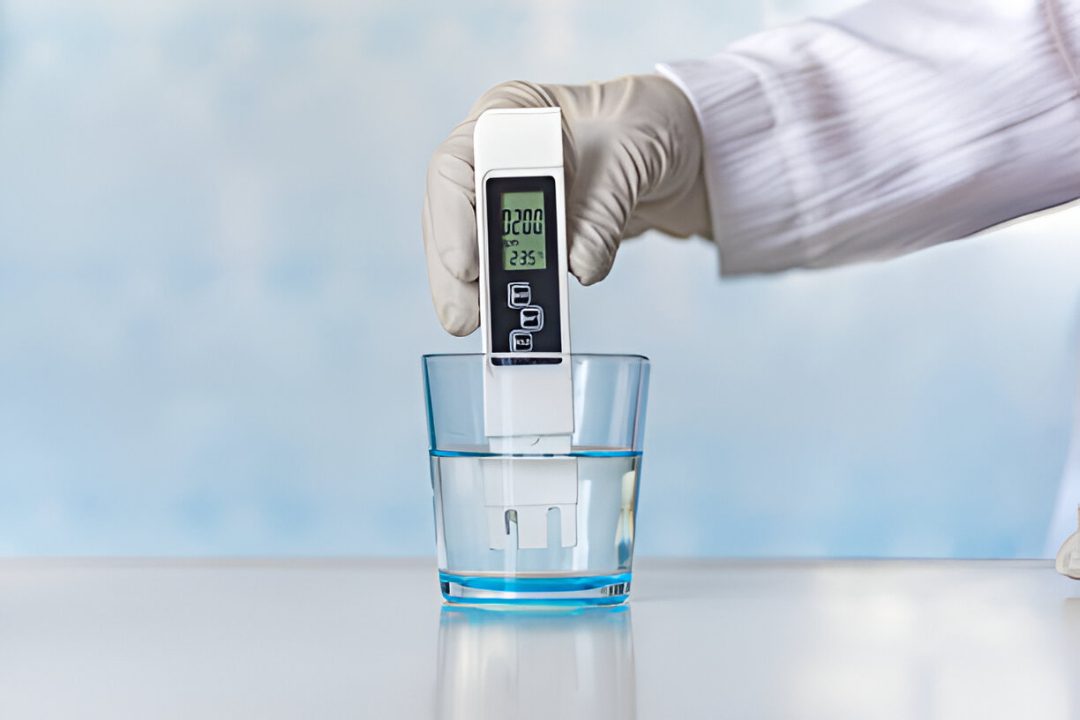
TDS is typically measured using a digital meter that provides an instant reading. However, a simple number doesn’t tell the whole story.
Comprehensive testing identifies what makes up the dissolved solids. For example:
- Iron staining in bathrooms
- Chlorine taste from municipal supply
- Sediment from ageing pipes
- Hard water scale
Depending on the cause, a tailored under-sink water filter or whole-property filtration solution could be the right fit for your home.
TDS in Sydney Water
Sydney Water maintains high treatment standards, but factors such as ageing infrastructure, local plumbing, and seasonal variations can influence readings in your home.
Homeowners in coastal suburbs or areas with older pipe networks often notice differences in water hardness and mineral content. That’s why understanding what your dissolved solids levels actually mean, rather than just chasing a low number, is important for long-term water quality.
If you’ve noticed changes in your water’s taste or are seeing scaling around taps and appliances, a targeted filtration system can make a real difference to both performance and comfort.
When Should You Consider Filtration?
You may benefit from a filtration system if:
- Your water tastes metallic or salty
- You see white scale build-up on taps
- Laundry feels stiff after washing
- Appliances require frequent descaling
- You want improved drinking quality
Modern systems are designed to reduce unwanted solids while retaining beneficial minerals, giving Sydney families cleaner, better-tasting water throughout the home.
Frequently Asked Questions
