
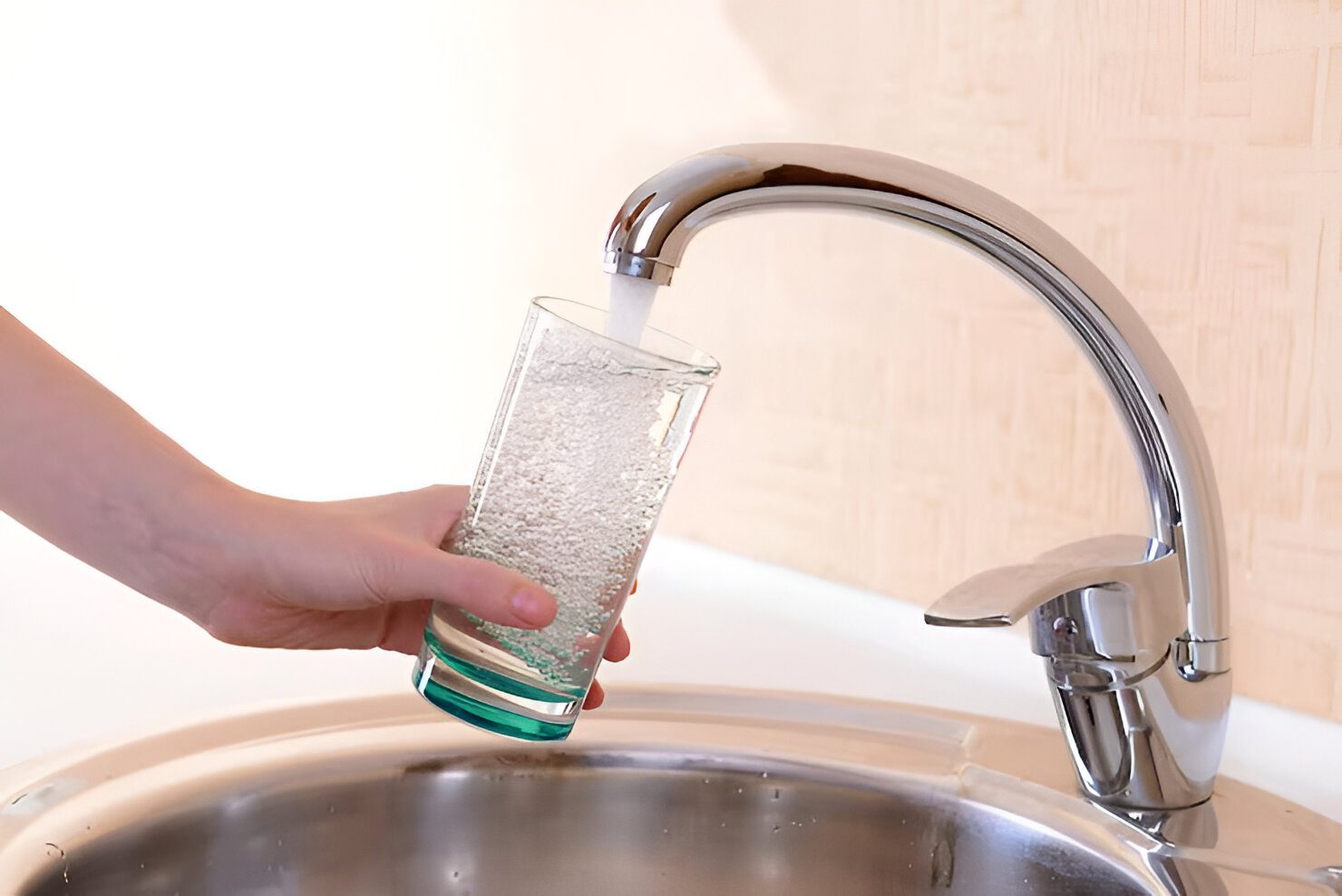
Water fluoridation in Australia is a public health measure that has been practised for decades to reduce tooth decay and improve dental health across communities. While fluoride occurs naturally in some water sources, most fluoridated systems in Australia are adjusted to an optimal level for preventive oral health.
Despite widespread support from health authorities, the topic continues to spark discussion about its benefits, risks, and implications for households. This guide explains how water fluoridation works, its potential health impacts, and what Sydney residents should consider.
What Is Water Fluoridation?
Water fluoridation in Australia refers to the controlled addition of fluoride to public water supplies at levels recommended for dental health protection. Fluoride helps strengthen tooth enamel and reduce tooth decay rates, particularly in children.
In most major cities, including Sydney, community water fluoridation forms part of the standard treatment process and is regulated to meet national and state guidelines.
Proven Benefits of Fluoride in Water
One of the key benefits of water fluoridation in Australia is its ability to reduce cavities across all population groups. Numerous studies have shown that communities with optimally fluoridated water supplies experience lower rates of dental decay compared to non-fluoridated areas.
Because water is consumed daily by everyone, fluoridation reaches all age groups, socioeconomic backgrounds, and households regardless of dental care access.
Health Risks and Community Concerns
Although water fluoridation is supported by many dental and public health organisations, concerns persist about excessive fluoride exposure. Prolonged high fluoride intake can contribute to dental fluorosis, a condition that affects tooth enamel appearance during development.
While severe fluorosis is uncommon at regulated levels in Australia, some individuals and families prefer to reduce fluoride in their drinking water based on personal health preferences.
Concerns about fluoride have encouraged some Sydney households to explore targeted solutions, such as problem-specific water filters designed to reduce fluoride along with other dissolved substances.
Fluoride and Overall Water Quality
Water fluoridation in Australia is only one part of modern water treatment. Municipal water supplies may also involve disinfection with chlorine and other chemicals to ensure safety from microbial contamination. Whilst these measures protect public health, they may contribute to noticeable taste or odour, which encourages many homeowners to consider additional treatment options.
Comprehensive filtration options like whole-house carbon systems help improve water quality for bathing, cooking, and drinking, while specialised filters address specific concerns such as fluoride or heavy metals.
Fluoridated Water vs Filtered Water: What’s the Difference?
Fluoridated water refers to municipal tap water that contains fluoride added at regulated levels to support dental health. Filtered water, on the other hand, has been treated at the household level to reduce or remove specific substances such as chlorine, fluoride, heavy metals, or sediment.
While fluoridated water is designed for broad public health benefits, water filtration allows homeowners to tailor water quality to personal preferences, taste, and household needs.
Options for Household Filtration
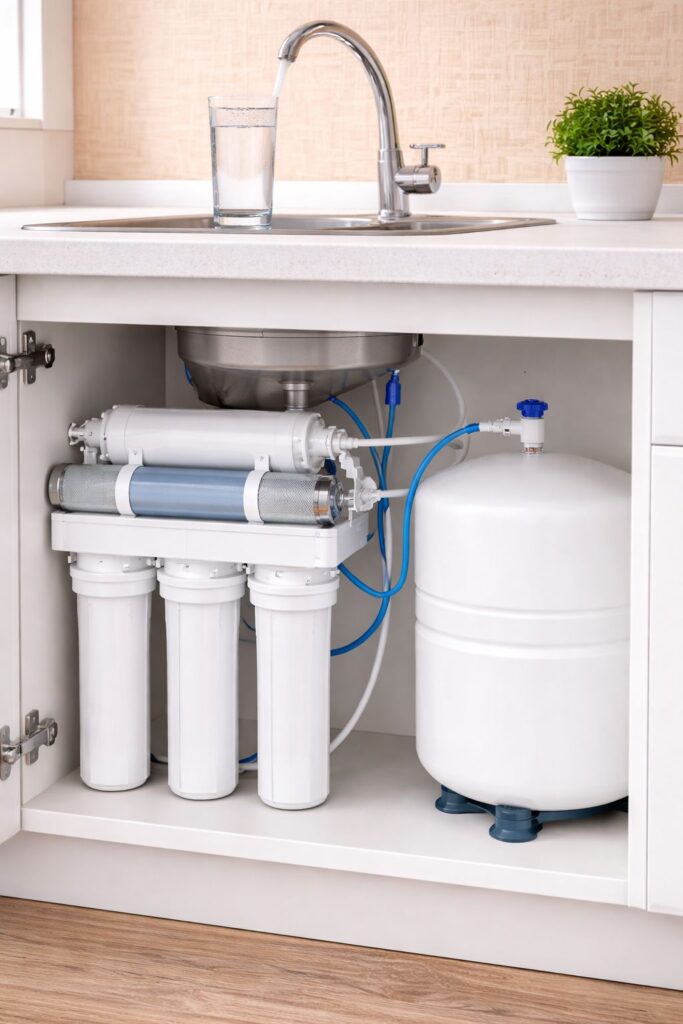
If you prefer to limit fluoride in your home’s tap water, several filtration systems can help. Reverse osmosis systems provide thorough purification by removing dissolved solids, including fluoride, and deliver cleaner water for drinking and cooking.
Other solutions include alkaline water systems that balance mineral content whilst reducing unwanted substances, and specialised water filters that target specific contaminants in your supply.
Pairing these with a whole-house water filter ensures better-tasting and healthier water throughout your home, from showers to kitchen taps.
Making Informed Decisions for Your Home
How you respond to water fluoridation in Australia is a personal choice. Understanding both the benefits and potential risks equips you to choose the solution that best aligns with your household’s priorities.
A professional water quality assessment helps determine your current water profile and the most effective filtration services for your home.