

Fluoride has been added to public water supplies across Australia for decades as part of regulated water treatment designed to support dental health. However, many Sydney homeowners still ask an important question: what is the safe level of fluoride in water? Understanding recommended limits, how fluoride works, and how it may affect your household helps you make informed decisions about water quality.
This guide explains the national guidelines, potential health considerations, and the filtration options available if you prefer to manage fluoride levels in your home.
What Is the Recommended Fluoride Level in Australia?
According to Australian health authorities, the safe level of fluoride in water is generally maintained between 0.6 and 1.1 milligrams per litre. This range is considered optimal for reducing tooth decay while minimising the risk of dental fluorosis.
In Sydney, water suppliers carefully regulate fluoride levels to remain within this range. Monitoring occurs regularly to ensure compliance with national drinking water standards.
Understanding recommended fluoride limits helps households feel confident about what they’re consuming daily.
Why Fluoride Is Added to Drinking Water
Fluoride strengthens tooth enamel and makes teeth more resistant to decay. Community water fluoridation is regarded as one of the most effective public health measures for improving dental outcomes across all age groups.
Maintaining optimal fluoride concentration ensures these benefits are delivered without excessive exposure. Because tap water is consumed daily, fluoridation provides consistent protection across the population.
Potential Health Considerations
While fluoride is widely supported for dental health, some households prefer to monitor intake carefully. Excessive fluoride consumption over long periods may contribute to dental fluorosis, which affects the appearance of tooth enamel during childhood development.
At regulated levels in Sydney, severe effects are rare. However, families with young children, individuals with high water intake, or those consuming fluoride from multiple sources may wish to review their overall exposure.
Being aware of fluoride thresholds allows you to balance dental benefits with personal health preferences.
How Fluoride Enters Household Water
Fluoride may be added during treatment or occur naturally in some water sources. As water travels through pipes to reach homes, its mineral composition remains stable, meaning fluoride levels do not typically increase through plumbing systems.
However, concerns about overall water quality often lead homeowners to consider broader filtration solutions beyond fluoride alone.
Filtration Options for Sydney Homes
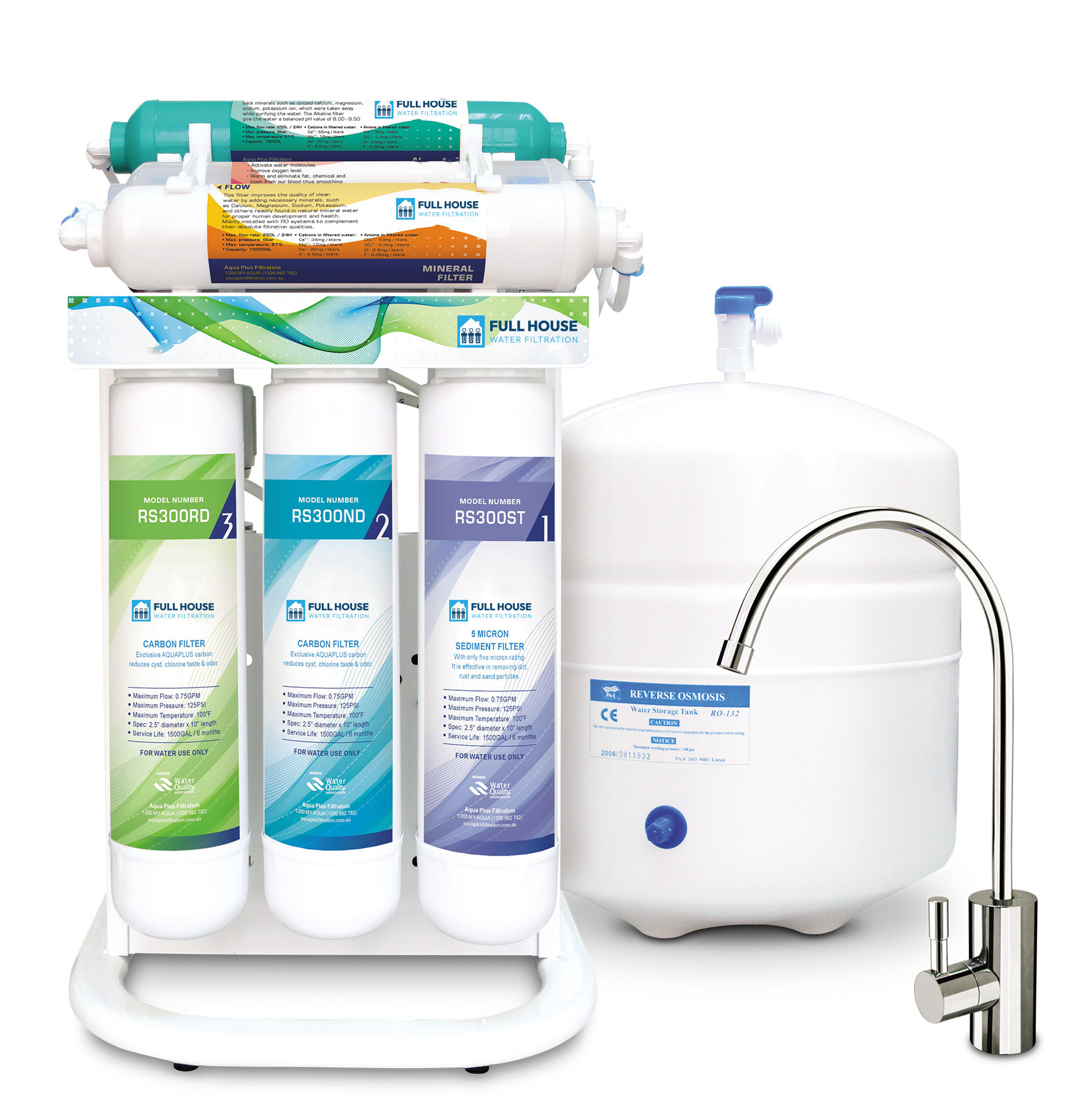
If you prefer to reduce fluoride levels in your household, specialised filtration systems are available. Reverse osmosis systems are among the most effective solutions, removing dissolved solids, including fluoride. These systems are typically installed under the kitchen sink for purified drinking and cooking water.
Whole-house water filters improve general water quality throughout the property by reducing chlorine, sediment, and impurities before water reaches taps and showers.
Some homeowners also choose problem-specific water filters designed to target fluoride and other particular contaminants. In certain cases, alkaline water systems are installed to balance mineral content while refining taste.
Selecting the right solution depends on your household needs, water usage, and personal health priorities.
Is Fluoride the Only Concern?
While fluoride often receives attention, other factors such as chlorine, sediment, heavy metals, and emerging contaminants can influence water quality. Addressing these elements comprehensively ensures cleaner, better-tasting water across your home.
A professional water quality assessment helps confirm fluoride levels and identify the most suitable filtration solution for your household needs.
Frequently Asked Questions
