

Sydney is known for having one of the most reliable drinking water supplies in Australia. However, many homeowners still ask the same question: Is Sydney tap water safe to drink? Understanding where your water comes from, how it is treated, and what it picks up along the way can help you make more informed decisions about the drinking water quality in your home.
This guide explains how Sydney’s water system works, potential concerns some households experience, and how water filtration systems can improve drinking water quality.
Where Sydney’s Drinking Water Comes From
Sydney’s drinking water mainly comes from catchment areas such as Warragamba Dam and several smaller dams across New South Wales. These sources collect rainfall and are managed carefully to protect water quality before treatment.
Water is then processed through treatment plants where it is filtered and disinfected. This process removes harmful microorganisms and ensures the water meets Australian Drinking Water Guidelines before entering the distribution network.
Although these standards are high, many residents still have concerns about tap water quality by the time it travels through ageing pipes and reaches their homes.
How Sydney Water Is Treated
Before reaching households, water goes through several treatment stages:
- Filtration to remove sediment and particles
- Disinfection using chlorine or chloramine
- Monitoring and testing to meet health standards
These processes make the water microbiologically safe. However, residual treatment chemicals like chlorine and chloramine can affect the taste and smell of tap water, which is why some residents look into home water filtration options.
Why Some Sydney Homes Experience Water Quality Issues
Even if the municipal supply is safe, water quality may change after it leaves treatment facilities. Factors that influence household water quality include:
Ageing Plumbing
Older pipes can leach trace metals or sediment into the water before it ever reaches your tap. Properties built several decades ago are particularly susceptible to this kind of plumbing-related water quality issue.
Chlorine Taste and Odour
Chlorine and chloramine keep water free from bacteria during distribution, but they can produce a noticeable smell or chemical taste that some residents find unpleasant.
Mineral Content
Some areas experience moderate mineral levels that contribute to scale buildup in appliances and kettles.
These are the kinds of concerns that lead many Sydney homeowners to look beyond the municipal supply and explore water filtration solutions that improve both taste and clarity.
How Water Filtration Can Improve Drinking Water
While Sydney’s tap water meets safety standards, many households install filtration systems to enhance water quality.
Whole House Water Filtration
Whole house water filtration systems treat water at the point where it enters your home. These systems help reduce chlorine, sediment, and impurities before water reaches taps, showers, and appliances.
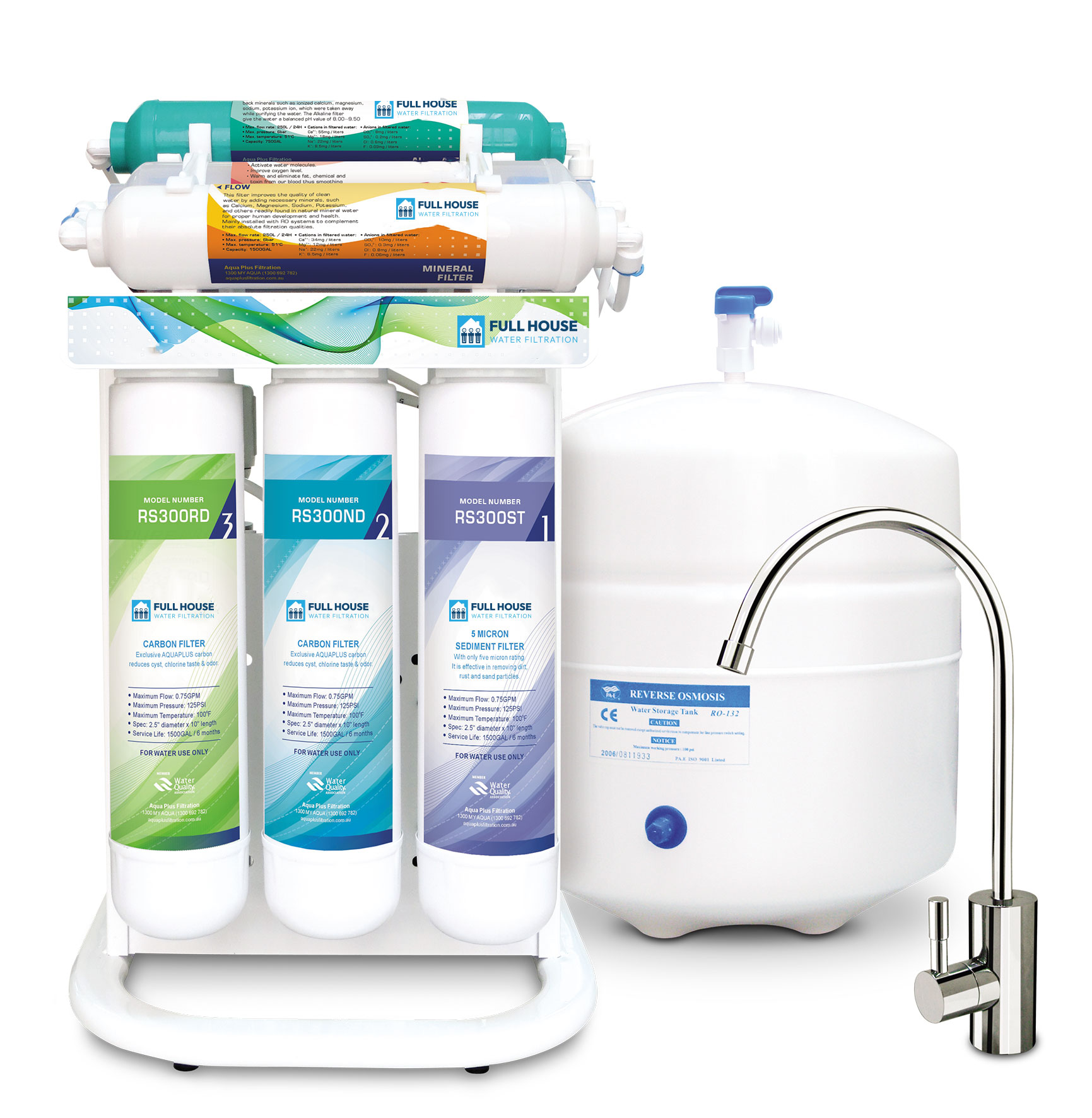
Reverse Osmosis Water Filters
Reverse osmosis systems deliver highly purified drinking water by filtering out dissolved solids, heavy metals, and contaminants through a specialised semi-permeable membrane.
Alkaline Water Filter Systems
Alkaline water filter systems balance pH levels and improve mineral content, creating smoother-tasting drinking water.
Problem-Specific Water Filters
Some systems are designed to address particular issues such as heavy metals, fluoride, or PFAS chemicals depending on local water conditions.
These solutions help Sydney residents maintain confidence in the water used for drinking, cooking, and everyday household activities.
Should Sydney Residents Filter Their Tap Water?
The answer depends on personal preferences and household conditions. Many homeowners install filtration systems not because water is unsafe, but because they want:
- Better taste and odour
- Reduced chemical exposure
- Protection from plumbing contaminants
- Improved water quality for cooking and drinking
Understanding how Sydney’s water supply and household plumbing work together can help you make a confident, informed decision about your home’s drinking water and whether a filtration system is right for you.
Frequently Asked Questions
