
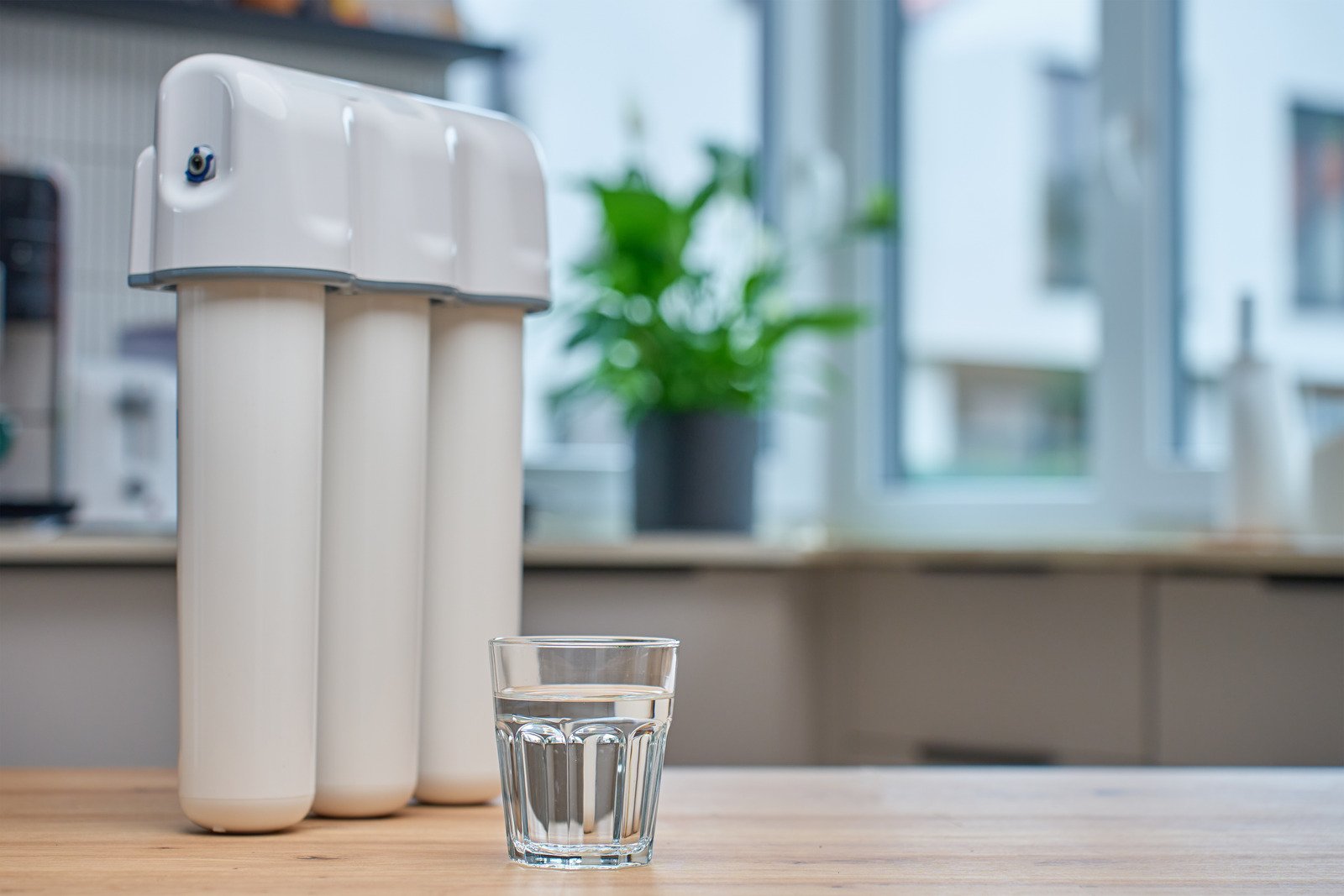
Keeping your family’s water clean and safe is a top priority for any Sydney homeowner. While high-quality filtration systems do the heavy lifting, their effectiveness relies entirely on one simple maintenance task: knowing how to change water filter cartridge units at the right time.
Whether you are dealing with a compact under sink water filter or a robust whole-house water filtration setup, the process is straightforward once you know the steps. In this educational guide, we will walk you through the professional method of replacing your cartridges to ensure your water remains crisp, clean, and free from contaminants.
Why Timing is Everything for Your Filter Cartridge
Before diving into the “how,” it is vital to understand the “why.” A water filter cartridge acts like a sponge. Over time, it becomes saturated with sediment, chlorine, and organic chemicals. If left too long, the flow rate drops and trapped contaminants can start leaching back into your water supply.
Given Sydney’s water supply conditions, we generally recommend a replacement every 6 to 12 months. However, if you notice a drop in water pressure or a return of that distinct chlorine smell, it is time to act. Consistent maintenance is the only way to guarantee the performance of your water filter installation.
Preparation: What You’ll Need
Changing a filter is a clean and manageable DIY task. Before you begin, gather the following:
- The correct replacement cartridge: Ensure it is WaterMark certified for Australian standards.
- Housing Spanner/Wrench: Usually supplied with your system.
- A Bucket and Large Towel: To catch any residual water.
- Food-Grade Silicone Grease: For lubricating the O-ring (optional but highly recommended).
- A Clean Cloth: To wipe down the housing.
Step-by-Step: How to Change Water Filter Cartridge Systems
1. Isolate the Water Supply
The most important step is to stop the flow. Locate the shut-off valve, usually found near the filter unit for an under sink water filter or at the mains entry for a whole-house water filtration system. Turn the valve until it is completely closed.
2. Relieve the System Pressure
Even with the water off, there is still pressure trapped inside the lines. Open your dedicated filtered water tap (or a standard tap if it is a whole-house system) and let the water run until it stops. If your system has a red pressure-relief button on top of the housing, press and hold it until the hissing stops.
3. Unscrew the Filter Housing
Place your bucket underneath the unit. Use the housing spanner to loosen the canister.
- Pro Tip: In Australia, most housings unscrew anti-clockwise (left to loosen).
Once loose, unscrew it the rest of the way by hand. Be careful, as the housing will be full of water and can be heavy.
4. Remove and Inspect the Old Cartridge
Lift out the old cartridge and dispose of it. Take a moment to look inside the housing. If you see slimy buildup or heavy sediment, this is a sign that you might need a more frequent replacement schedule or a dedicated reverse osmosis water filter for finer filtration.
5. Clean and Sanitise
Wipe the inside of the housing with a clean cloth and warm, soapy water (use a mild, unscented dishwashing liquid). Rinse thoroughly. Check the black rubber O-ring; if it looks cracked or flattened, it is time for a new one. Apply a tiny amount of silicone grease to the O-ring to ensure a watertight seal and make the next change easier.
6. Install the New Cartridge
Place the new filter cartridge into the housing. Most cartridges are symmetrical, but some have a specific “top” indicated by a gasket or arrow marking. Make sure it sits centred on the standpipe at the bottom of the housing.
7. Tighten and Re-pressurise
Screw the housing back onto the head by hand. Once it is hand-tight, give it an extra one-eighth of a turn with the spanner. Do not overtighten, as this can crack the plastic or pinch the O-ring.
Slowly turn the water supply back on. Keep the tap open to allow air to bleed out of the lines. You might hear some spluttering, and that is completely normal.
8. The Critical Flush
All new cartridges, especially those containing carbon, need to be flushed. Run the water for 5–7 minutes. This clears out “carbon fines” (tiny black particles) and primes the media for use.
Choosing the Right Cartridge for Sydney Water
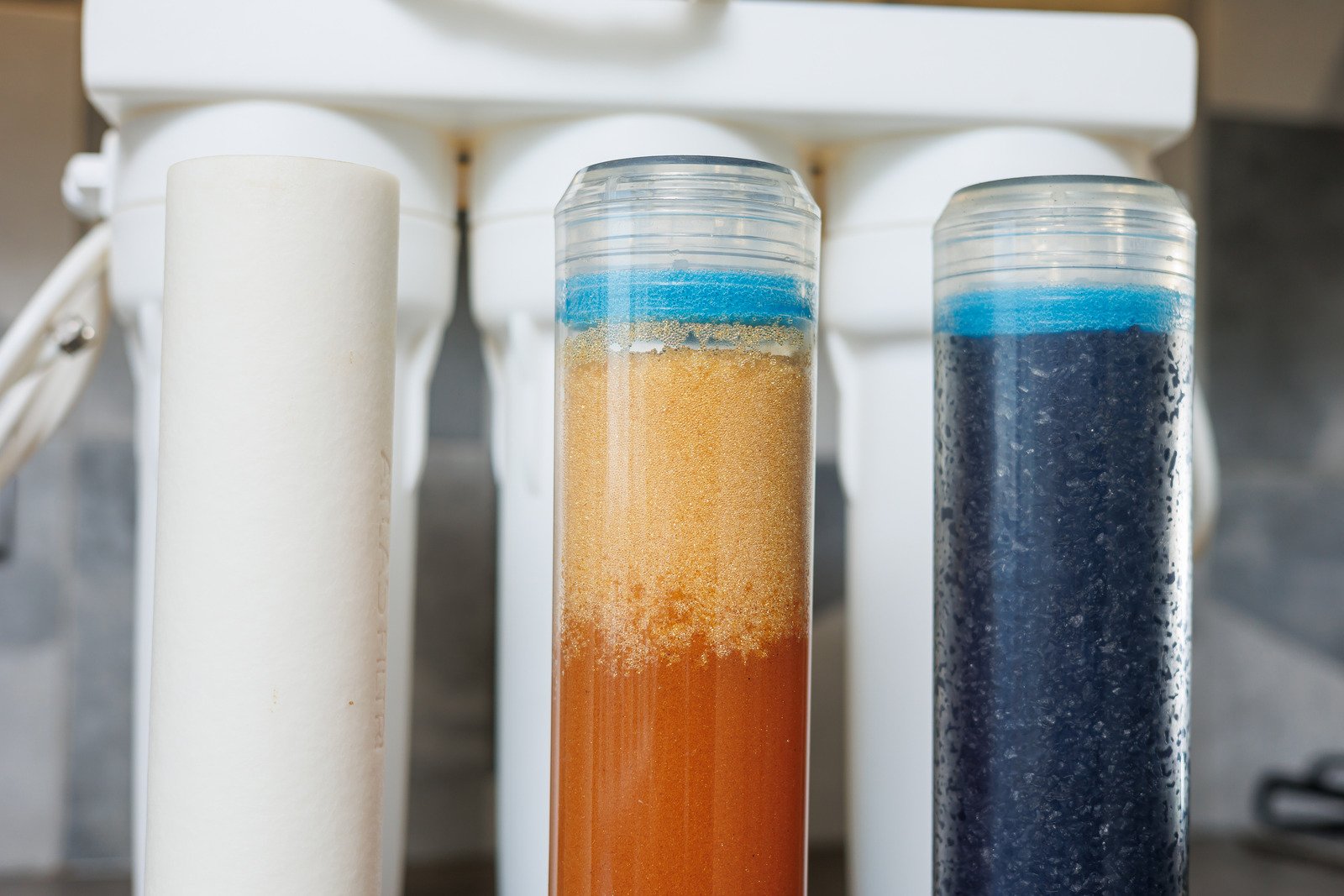
Not all cartridges are created equal. Depending on your suburb, your needs might differ:
- Sediment Cartridges: Best for older Sydney areas with ageing pipes.
- Carbon Block Filter: Essential for removing the chlorine taste and odour common in city mains water.
- Alkaline Water Filter: Ideal for those wanting to reintroduce beneficial minerals into their drinking water after thorough filtration.
If the DIY process feels daunting, or if you are looking to upgrade your current setup, a professional water filter installation ensures that every connection is secure and your water quality is lab-grade.
Common Mistakes to Avoid
- Forgetting the O-Ring: A missing or dry O-ring is the most common cause of leaks.
- Using the Wrong Tools: Never use a pipe wrench or pliers on plastic housings; you risk cracking the unit.
- Neglecting the Flush: Skipping the flush can leave your water tasting stale or off for the first few days.
Frequently Asked Questions
