
When it comes to safeguarding your family’s health, the quality of your household water is a non-negotiable priority. For many Sydney homeowners, navigating the technical world of filtration can feel like a daunting task. You may have heard terms like “microns” tossed around by experts, but what do they actually mean for your morning cuppa or your evening shower?
Among the various options available, the five micron water filter stands out as the industry “sweet spot” for residential use. It offers a sophisticated balance between high-level sediment removal and maintaining a consistent water flow. In this educational deep dive, we will explore the science of micron ratings, the specific benefits of 5-micron technology, and why it is a cornerstone of modern water filter installation in New South Wales.
Understanding the Micron Scale: How Small is 5 Microns?
To appreciate the efficiency of a five micron water filter, we first need to understand the scale of measurement. A micron (short for micrometre) is one-millionth of a metre. To put that into a domestic perspective:
- A human hair is approximately 70 microns thick.
- A grain of beach sand is about 90 microns.
- The limit of human visibility is roughly 40 microns.
- Bacteria typically range from 1 to 10 microns.
Therefore, a 5-micron filter is capturing particles that are significantly smaller than the human eye can detect. It acts as a microscopic sieve, catching fine silt, rust flakes, and organic matter that might be invisible to the naked eye but still detrimental to your health and plumbing.
Why Sydney Homes Benefit from 5-Micron Filtration
Sydney is blessed with high-quality catchments, but the journey from the Warragamba Dam to a kitchen in Surry Hills or a laundry in Parramatta is long. Along the way, water can pick up “hitchhikers” from ageing cast-iron mains or copper pipes.
1. Eliminating Visible and Invisible Sediment
Even if your water looks clear in a glass, it may contain micro-sediments. A five micron water filter is exceptionally effective at removing “turbidity,” the cloudiness caused by suspended solids. This is particularly important for homes with older plumbing systems, where internal pipe corrosion can lead to fine metallic flakes entering the water stream.
2. Protecting Your Specialised Systems
If you have invested in an under-sink water filter or a high-end coffee machine, a 5-micron pre-filter is your best friend. By removing larger particles first, you prevent the more expensive, finer carbon or membrane filters from clogging prematurely. This ensures that your specialised equipment runs at peak efficiency for longer.
3. Enhancing the Performance of Reverse Osmosis
For those who have opted for a reverse osmosis water filter, a 5-micron sediment stage is almost always the first line of defence. RO membranes are incredibly delicate; a single sharp grain of sand could tear the membrane. The 5-micron stage ensures that only clean, sediment-free water reaches the RO membrane, protecting your investment and extending its lifespan.
Five Micron vs. One Micron: Which is Right for You?
One common question we receive during a water filter installation consultation is: “If 5 microns is good, isn’t 1 micron better?”
The answer depends on your specific goals. A 1-micron filter is finer and can catch some parasites like Cryptosporidium and Giardia. However, because the pores are so small, they can clog very quickly if your water has even a moderate amount of sediment. This leads to a significant drop in water pressure, which is the last thing anyone wants mid-shower.
The five micron water filter is generally preferred as a pre-filter or for whole-house water filtration. It catches the bulk of the debris without sacrificing the pressure you need to run your dishwasher, washing machine, and multiple showers simultaneously.
Technical Advantages: Depth vs. Surface Filtration
Not all 5-micron filters are created equal. When browsing for replacements, you will likely encounter two main types:
Polypropylene Melt-Blown (Depth Filters)
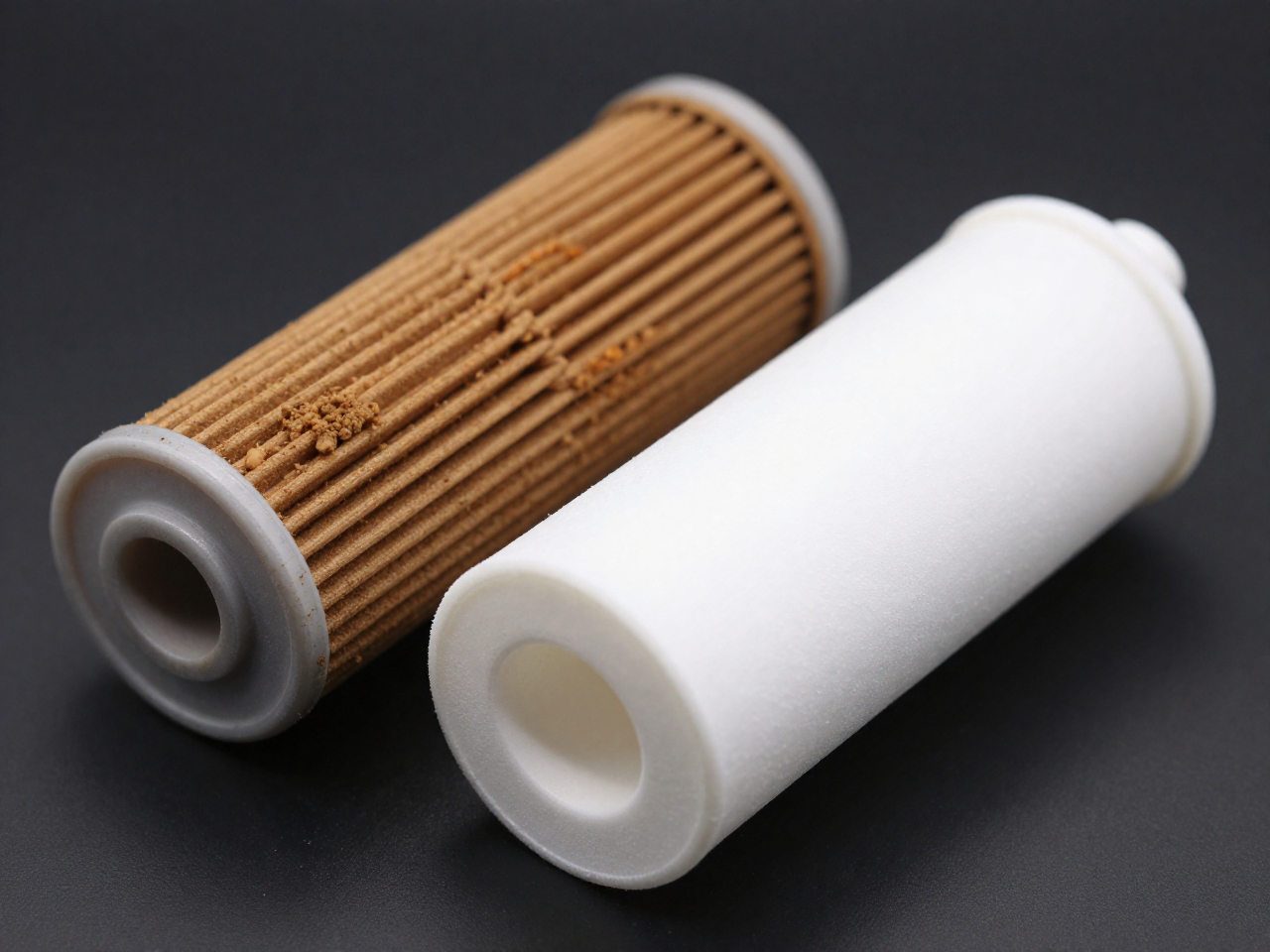
These look like a solid cylinder of white foam. They work through “depth filtration,” meaning they trap particles throughout the entire thickness of the filter wall. These are excellent for Sydney homes with varying sediment levels because they can hold a large volume of debris before needing a change.
Pleated Filters (Surface Filters)
These look like an accordion. They have a larger surface area and are often washable and reusable (to an extent). These are fantastic for high-flow whole-house water filtration where you want the absolute minimum impact on your water pressure.
The Role of 5-Micron Filters in Comprehensive Home Care
While a sediment filter is excellent at making water clear, it doesn’t remove chemicals like chlorine. This is why we advocate for a multi-stage approach.
The Perfect Trio: Sediment, Carbon, and Alkalinity
In a standard Sydney water filter installation, we often suggest:
- Stage 1: A five micron water filter to remove physical dirt and rust.
- Stage 2: A carbon block filter to remove chlorine, odours, and pesticides.
- Stage 3: An alkaline water filter stage to reintroduce healthy minerals and balance the pH level.
This combination ensures your water isn’t just clean. It is healthy, delicious, and gentle on your skin.
Maintenance: How Often Should You Replace Your 5-Micron Filter?
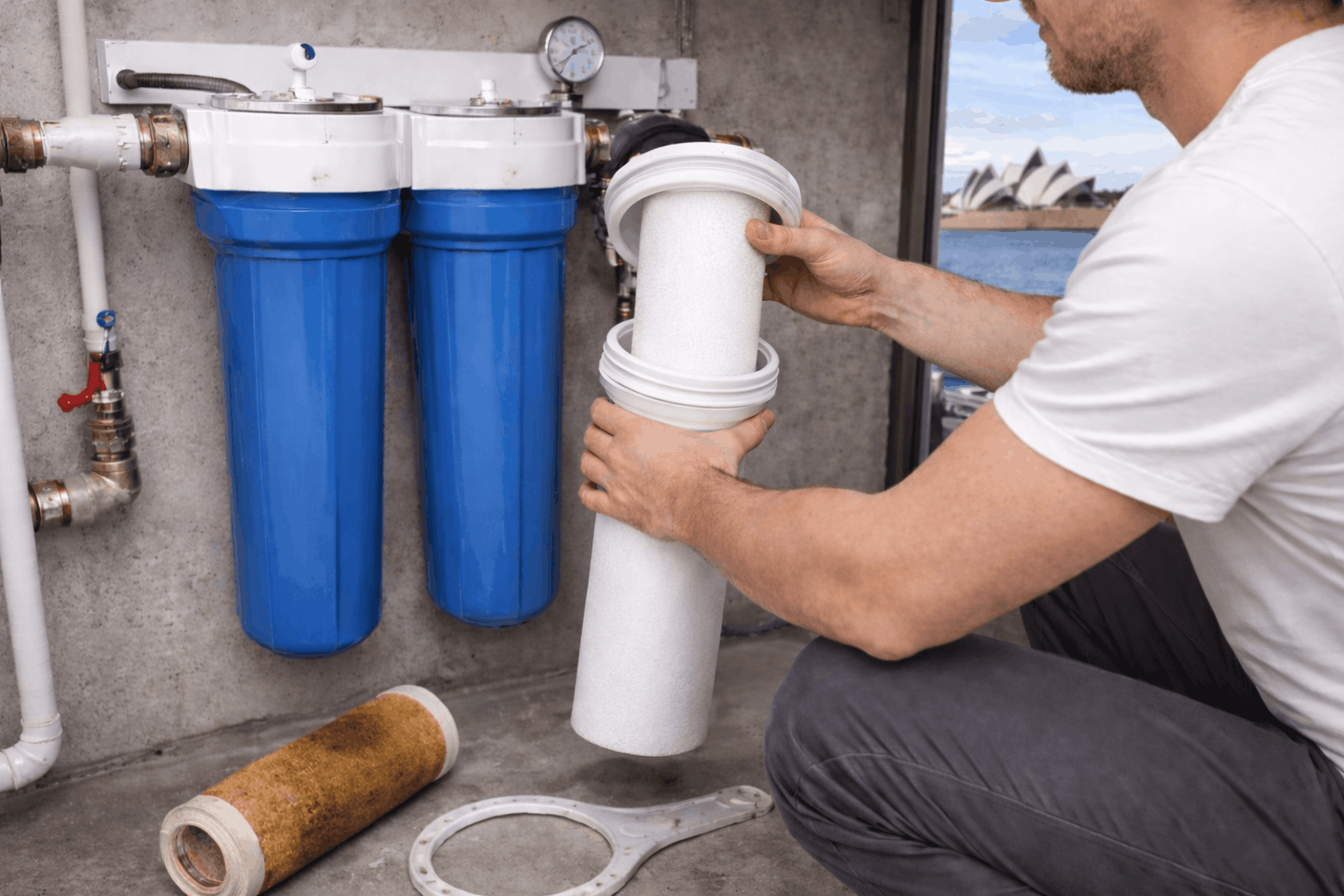
In the Sydney metropolitan area, the standard lifespan for a 5-micron cartridge is 6 to 12 months. However, this can vary based on:
- Suburb Location: Older suburbs with older mains may require more frequent changes.
- Usage Volume: A family of six will naturally exhaust a filter faster than a couple.
- Weather Events: Heavy rain can sometimes increase the sediment levels in the local supply temporarily.
A clear sign that your five micron water filter is at capacity is a noticeable drop in water pressure at your taps. If you see the filter turning a dark brown or orange colour (visible in clear housings), it is definitely time for a swap.
Why Choose Full House Water Filtration for Your Installation?
At Full House Water Filtration, we don’t just sell boxes; we provide bespoke water solutions. We understand that every Sydney home has unique plumbing challenges.
By choosing us for your water filter installation, you benefit from:
- Local Knowledge: We know the water profiles of the Northern Beaches, Eastern Suburbs, and Greater West.
- Quality Components: We only use 5-micron filters that are tested and certified to withstand Australian water pressures.
- Ongoing Support: We keep track of your service history, so you never have to wonder when your next filter change is due.
A Clear Choice for a Healthy Home
Investing in a five micron water filter is one of the most cost-effective ways to improve the quality of your life. It protects your expensive appliances, enhances the taste of your food and drink, and provides an essential barrier against the contaminants that can hide in our urban water supply.
Whether you are looking to install a new under-sink water filter or you want to protect your entire property with whole-house water filtration, starting with high-quality sediment protection is the smartest move you can make.
Frequently Asked Questions
