
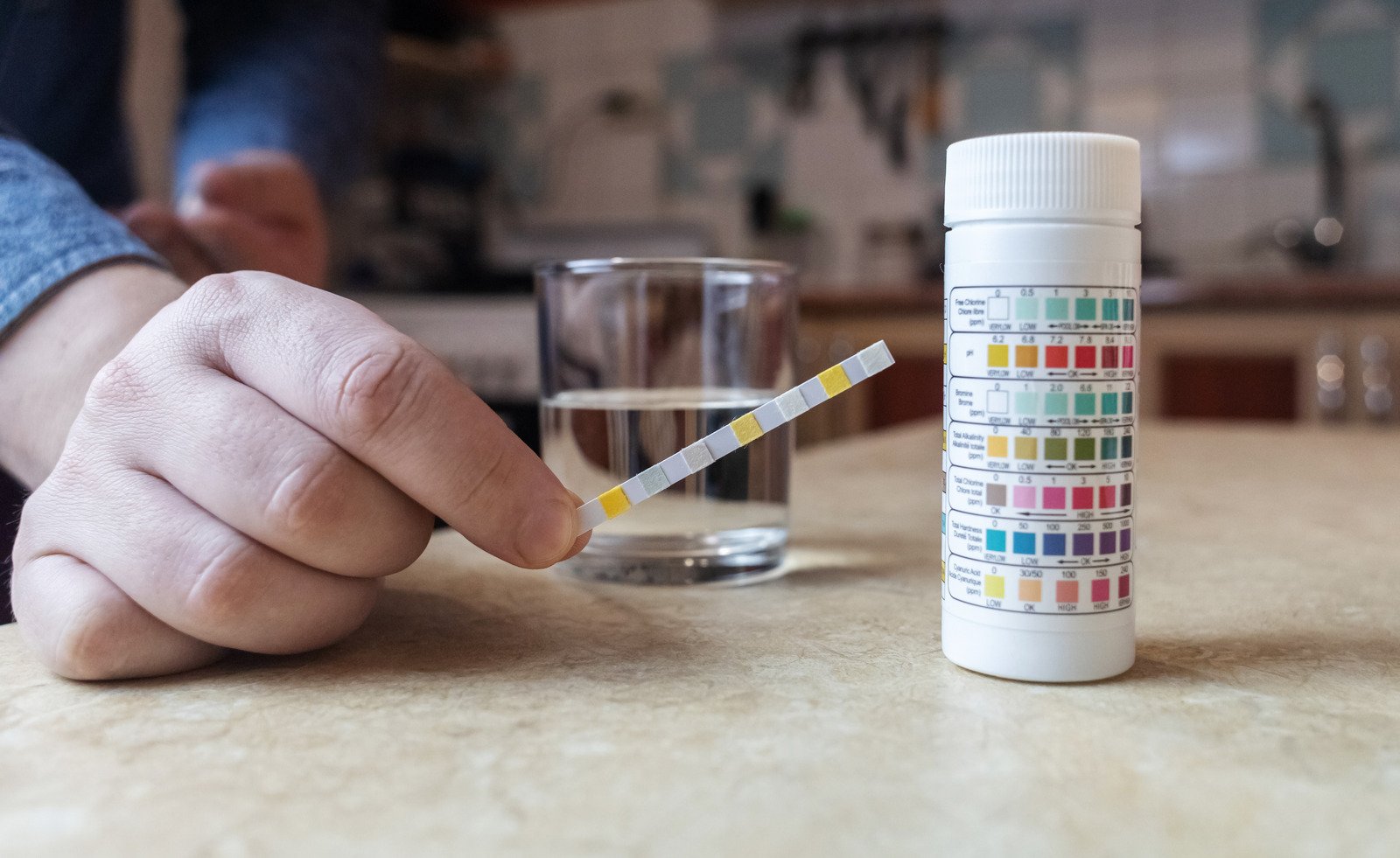
Chlorine plays a vital role in keeping public water supplies safe, but many homeowners still have questions about chlorine in drinking water. While it is widely used to disinfect water and protect communities from harmful bacteria, chlorine can also affect the taste, smell, and purity of the water in your home.
Understanding the benefits and health considerations around chlorine in drinking water helps Sydney homeowners make informed decisions about their tap water. This guide explains why chlorine is used, how it affects water quality, and what filtration options are available if you want to reduce it.
Why Chlorine Is Added to Drinking Water
Water utilities in Australia add chlorine to drinking water to eliminate harmful microorganisms. This process is known as disinfection, and it is one of the most effective methods for preventing waterborne diseases.
Before chlorinated water treatment became widespread, communities frequently dealt with outbreaks traced back to contaminated water sources. By adding carefully controlled amounts of chlorine, water suppliers ensure bacteria, viruses, and other waterborne pathogens are neutralised before the water reaches your home.
For this reason, chlorine in drinking water is considered an essential part of public health protection.
How Chlorine Works in Water Treatment
Chlorine acts as a powerful disinfectant, destroying harmful microorganisms through targeted chemical reactions. Once introduced into the water supply, it breaks down the cell walls of bacteria and viruses, stopping them from reproducing.
In most Australian cities, including Sydney, chlorine is carefully monitored to remain within safe limits set by the Australian Drinking Water Guidelines. These regulations ensure that chlorine in drinking water remains effective for sanitation while staying within safe consumption levels.
The Benefits of Chlorine in Drinking Water
Although some people focus on the drawbacks, chlorine delivers several important public health advantages.
Protection Against Harmful Microorganisms
The primary benefit of chlorine is preventing the spread of diseases caused by bacteria and viruses in water systems.
Maintaining Water Safety During Distribution
Water travels long distances through pipes before reaching homes. Chlorine helps maintain sanitation during this journey, preventing contamination within the distribution network.
Cost-Effective Water Treatment
Chlorine remains one of the most efficient and affordable methods of disinfecting large municipal water supplies.
These benefits explain why chlorine in drinking water is still widely used in Australia and around the world.
Common Concerns About Chlorine in Tap Water
While chlorine is effective for disinfection, many homeowners notice changes in water quality after treatment.
Taste and Odour
One of the most common complaints is the noticeable chemical taste or chlorine smell in tap water. This can affect the quality of drinking water, cooking, and everyday beverages like tea and coffee.
Skin and Hair Irritation
Chlorinated water can strip natural oils from skin and hair during showers and baths. Some people notice dryness or irritation after regular exposure.
Chemical By-Products
Chlorine can react with naturally occurring organic matter in water to form compounds known as disinfection by-products (DBPs). While these are regulated to remain within safe limits, some homeowners prefer to reduce their exposure through filtration.
How Chlorine Affects Household Water Quality
For many Sydney households, the concern with chlorine in drinking water is less about safety and more about everyday comfort and water purity.
Chlorinated water can influence everyday activities such as:
- Drinking tap water
- Cooking meals
- Washing fruits and vegetables
- Showering and bathing
- Cleaning dishes and laundry
Reducing chlorine levels can noticeably improve the taste and odour of your water, enhancing the overall quality of your household’s daily water use.

Water Filtration Solutions for Removing Chlorine
Modern water treatment technology offers several effective ways to reduce chlorine in drinking water. Depending on your household’s needs, the right system can make a real difference.
Whole House Water Filtration Systems
Whole-house water filtration systems treat water at the point where it enters your home. These systems use carbon filtration to reduce chlorine, sediment, and impurities before water flows through taps, showers, and appliances.
For Sydney households, a whole-home filtration system is one of the most practical and effective ways to manage chlorinated tap water throughout the entire property.
Reverse Osmosis Water Filters
Reverse osmosis systems are designed to purify drinking water by removing dissolved solids and contaminants through a specialised membrane. These systems are commonly installed under kitchen sinks to provide high-quality drinking water.
Reverse osmosis is particularly useful for homeowners who want purified water for cooking and beverages.
Alkaline Water Filter Systems
Alkaline water filter systems balance water pH levels while improving taste. These systems often combine multiple filtration stages to reduce impurities and enhance mineral content.
Many Sydney residents choose alkaline filtration to upgrade their drinking water quality and flavour.
Problem-Specific Water Filters
In some cases, homeowners may require specialised filtration designed to address particular water concerns such as heavy metals, fluoride, or PFAS chemicals. These targeted systems provide customised treatment depending on the results of water testing.
By combining these solutions, households can effectively manage chlorine in drinking water and improve overall water quality.
Should Sydney Residents Filter Their Chlorinated Water?
Sydney’s water supply meets national drinking water standards, so chlorinated tap water is generally considered safe to drink. That said, many homeowners choose to install a home filtration system to enhance taste, reduce chemical exposure, and improve day-to-day comfort.
Reducing chlorine in drinking water can provide benefits such as:
- Improved taste and odour
- Better shower and bathing experience
- Reduced exposure to treatment chemicals
- Protection for plumbing and appliances
Understanding these advantages helps you decide whether a home water filtration system is the right fit for your property.
Frequently Asked Questions
