

Tap water plays a vital role in everyday health, yet many Australians give little thought to what flows from their taps. While Australia has strict drinking water standards, the effects of tap water on health can still vary depending on local infrastructure, plumbing age, and household water quality issues. In Sydney homes, particularly, water quality can change during its journey from the treatment plant to the tap.
Understanding how tap water affects health helps homeowners make informed decisions about filtration and long-term wellbeing.
How Tap Water Is Treated in Australia
Australian tap water is disinfected to remove harmful bacteria and pathogens. Chlorine and chloramine are commonly used to ensure water remains safe during distribution. While these chemicals are effective, they can alter taste and odour, which is one of the most noticeable effects of tap water for many households.
During its journey through pipes, water can also pick up sediments, metals, and residues from plumbing systems, particularly in Sydney’s older suburbs.
Chlorine and Chemical Exposure
One of the most discussed effects of tap water is exposure to chlorine. While chlorine keeps water safe, it can irritate sensitive skin and cause dryness after bathing. Some people also experience changes in hair texture or scalp irritation.
For drinking water, chlorine contributes to unpleasant taste and odour, which can discourage adequate hydration. Reducing chlorine exposure is a common reason Sydney homeowners explore filtration options.
Heavy Metals and Long-Term Health Concerns
Another important aspect of the effects of tap water relates to heavy metals such as lead and copper. These contaminants aren’t usually present at the treatment source but can enter water through ageing pipes and fittings.
Long-term exposure to trace metals can affect kidney function, neurological health, and children’s development. Because metals are often undetectable by taste or odour, households may be unaware of ongoing exposure without filtration or testing.
Fluoride and Mineral Content
Fluoride is added to Australian water supplies to support dental health. Whilst widely supported, some households prefer to limit their intake due to personal sensitivity or health considerations.
Tap water also contains naturally occurring minerals that can affect taste and hardness. In some Sydney areas, mineral levels contribute to scale build-up on taps and appliances, which may impact household systems over time.
Skin and Digestive Sensitivities
The effects of tap water are not limited to drinking. Bathing and showering in unfiltered water can affect people with eczema, allergies, or sensitive skin. Chemical residues can strip natural oils from the skin, leading to dryness and irritation.
Digestive discomfort can also occur in individuals sensitive to chlorine or certain dissolved substances, reinforcing the importance of water quality for overall comfort and health.
How Filtration Supports Healthier Water
Many Sydney households choose filtration to reduce unwanted substances and improve water quality. Whole-house water filters treat water at the entry point, improving the water used for drinking, bathing, and laundry. These systems are particularly effective at reducing chlorine, sediment, and general impurities.
For drinking and cooking, reverse osmosis systems provide highly purified water by removing dissolved solids, metals, and fine contaminants. Some households also install problem-specific water filters to address concerns such as fluoride, PFAS, or heavy metals. Alkaline water systems are another option for those seeking balanced mineral content and improved taste.
Combining the right filtration services ensures consistent water quality throughout the home and supports long-term well-being.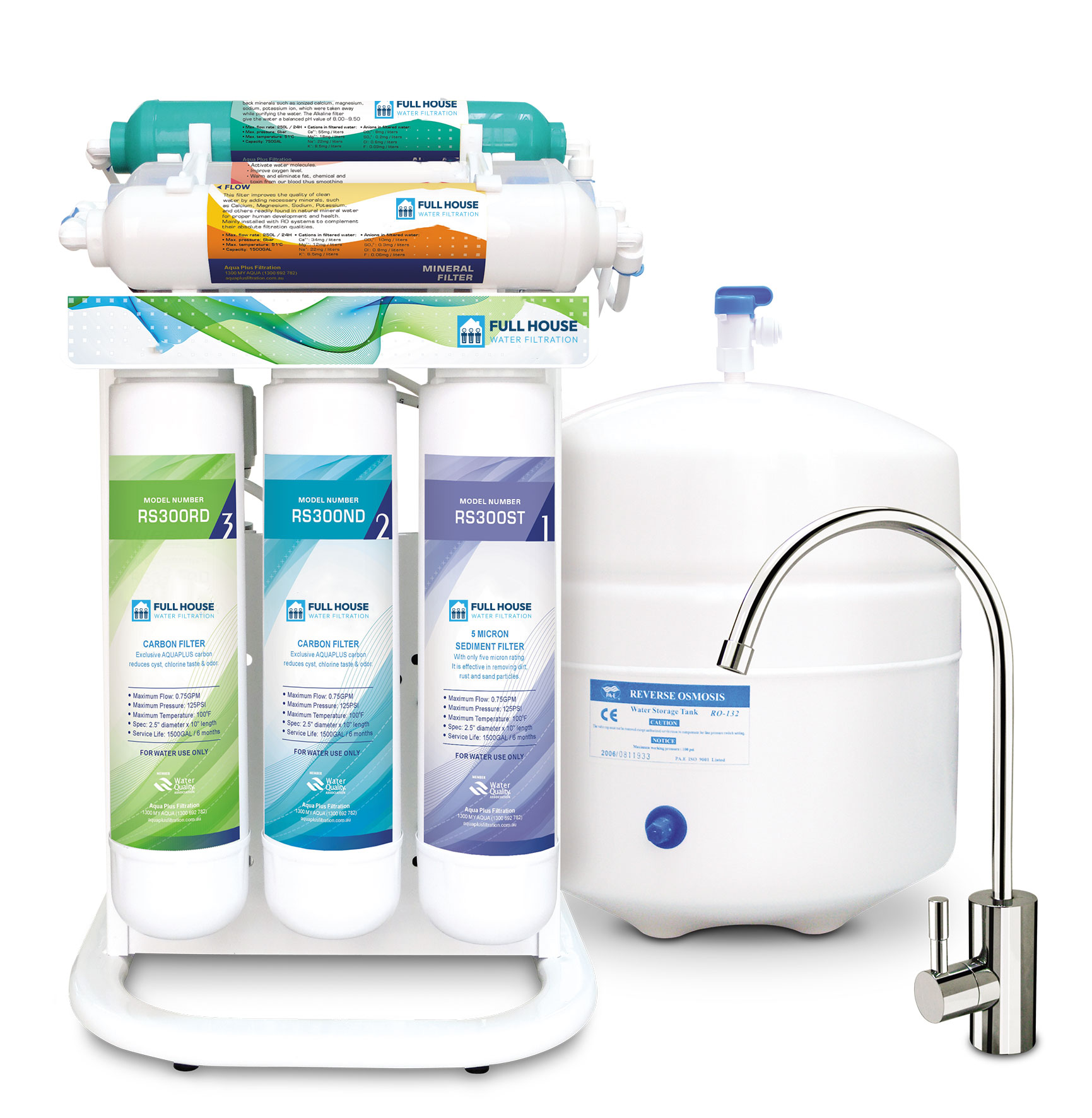
Frequently Asked Questions
