
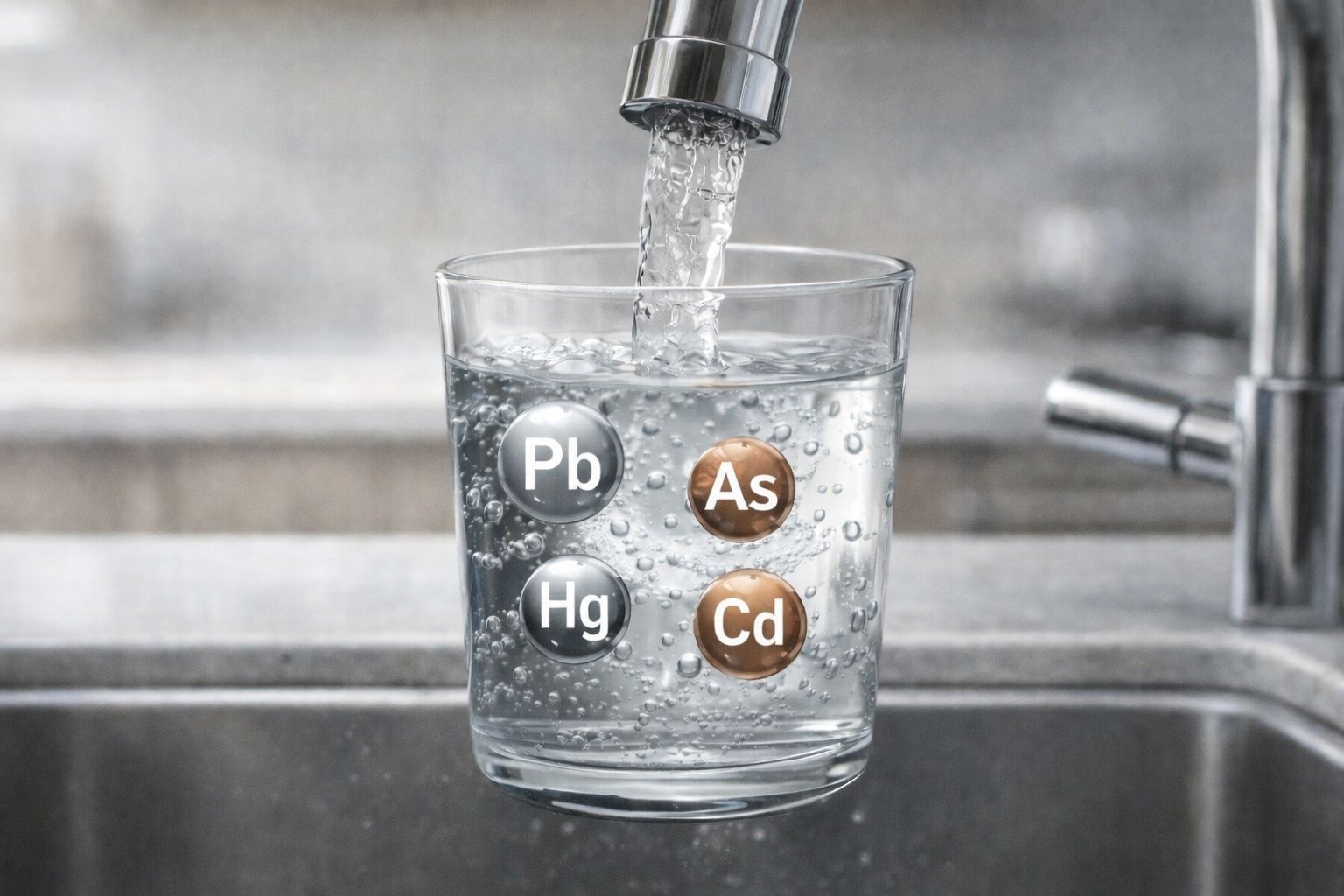
Most Australian households trust that their tap water is safe. While Sydney’s water supply meets national standards, there’s a growing concern many families overlook: heavy metals in tap water. These metals don’t usually come from the water source itself, but rather from ageing pipes, household plumbing, and environmental factors that affect water quality by the time it reaches your glass.
Understanding where heavy metals come from, why they matter, and how modern water filter systems can help protect your family is an important step toward safer drinking water.
What Are Heavy Metals in Tap Water?
Heavy metals are naturally occurring elements that can be harmful when consumed over long periods. In household water, the most common heavy metals include lead, copper, arsenic, mercury, and cadmium. These metals may be present in very small amounts, but even low-level exposure can be a concern for families with children, pregnant women, or elderly residents.
In many Sydney homes, the issue isn’t the treatment plant; it’s the journey water takes through pipes before reaching your tap.
How Do Heavy Metals Enter Household Water?
These contaminants often enter after the water leaves the main supply.
Common Sources Include:
- Old copper or lead plumbing
- Corrosion in ageing pipes and fittings
- Brass taps and valves
- Hot water systems breaking down internally
- Environmental contamination from soil or construction activity
Homes built decades ago are more likely to experience these issues, especially where plumbing materials have degraded over time.
Why Heavy Metals Are a Concern for Families
Long-term exposure to heavy metals has been linked to various health concerns. While municipal testing ensures water leaving treatment facilities meets guidelines, it doesn’t account for what happens inside private plumbing systems.
Potential risks include:
- Developmental concerns in children
- Digestive and neurological issues
- Skin irritation and sensitivity
- Changes in the taste, colour, or smell of water
This is why many families choose additional water filter systems as a protective measure, rather than relying solely on centralised treatment.
Signs Your Home May Have Contaminated Tap Water
These metals are often invisible, but there are warning signs that may suggest an issue:
- Metallic or bitter taste in drinking water
- Blue-green staining on sinks or fixtures (often copper-related)
- Brown or yellow water discolouration
- Frequent plumbing corrosion or pinhole leaks
- Unusual sediment in tap water
While water testing is the only way to confirm contamination, these signs often prompt households to investigate further.
How Water Filter Systems Help Reduce Heavy Metals
Modern water filter systems are designed to address specific water quality concerns. Different technologies remove contaminants in different ways, and not all filters are equal when it comes to heavy metals.
Common Filtration Options:
- Carbon filtration for taste, odour, and some metal reduction
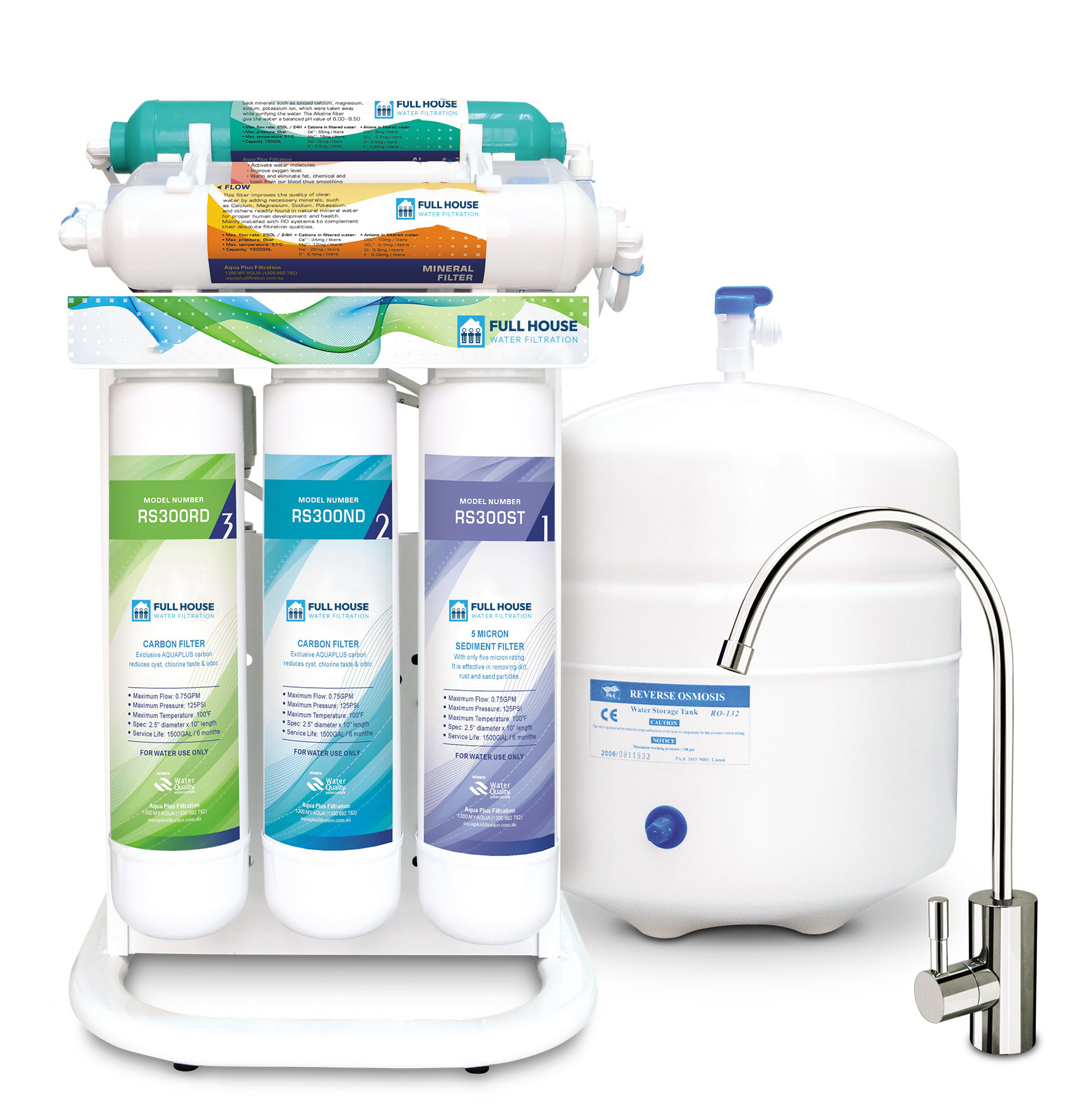
- Reverse osmosis systems for dissolved heavy metals
- Multi-stage filtration combining several technologies
- Alkaline water systems with added filtration stages
Reverse osmosis is often considered the most effective method for reducing heavy metals at drinking water points, while whole-home systems help improve overall water quality.
What About Alkaline Water Systems?
Alkaline water systems are often chosen for taste and pH balance, but many also include advanced filtration stages. When combined with reverse osmosis or specialised media, these systems can help reduce heavy metals while producing smoother-tasting water.
It’s important to note that alkalising alone does not remove contaminants. The filtration stage is what addresses heavy metals; the alkaline stage adjusts mineral balance afterwards.
Why Sydney Homes Are Taking a Proactive Approach
Sydney’s water infrastructure is extensive, and some suburbs still rely on older pipe networks. Seasonal temperature changes, construction work, and water pressure fluctuations can all affect how metals leach into household water.
Rather than waiting for visible problems, many families choose preventative filtration to ensure consistent water quality and peace of mind.
Frequently Asked Questions
